August 21, 2026
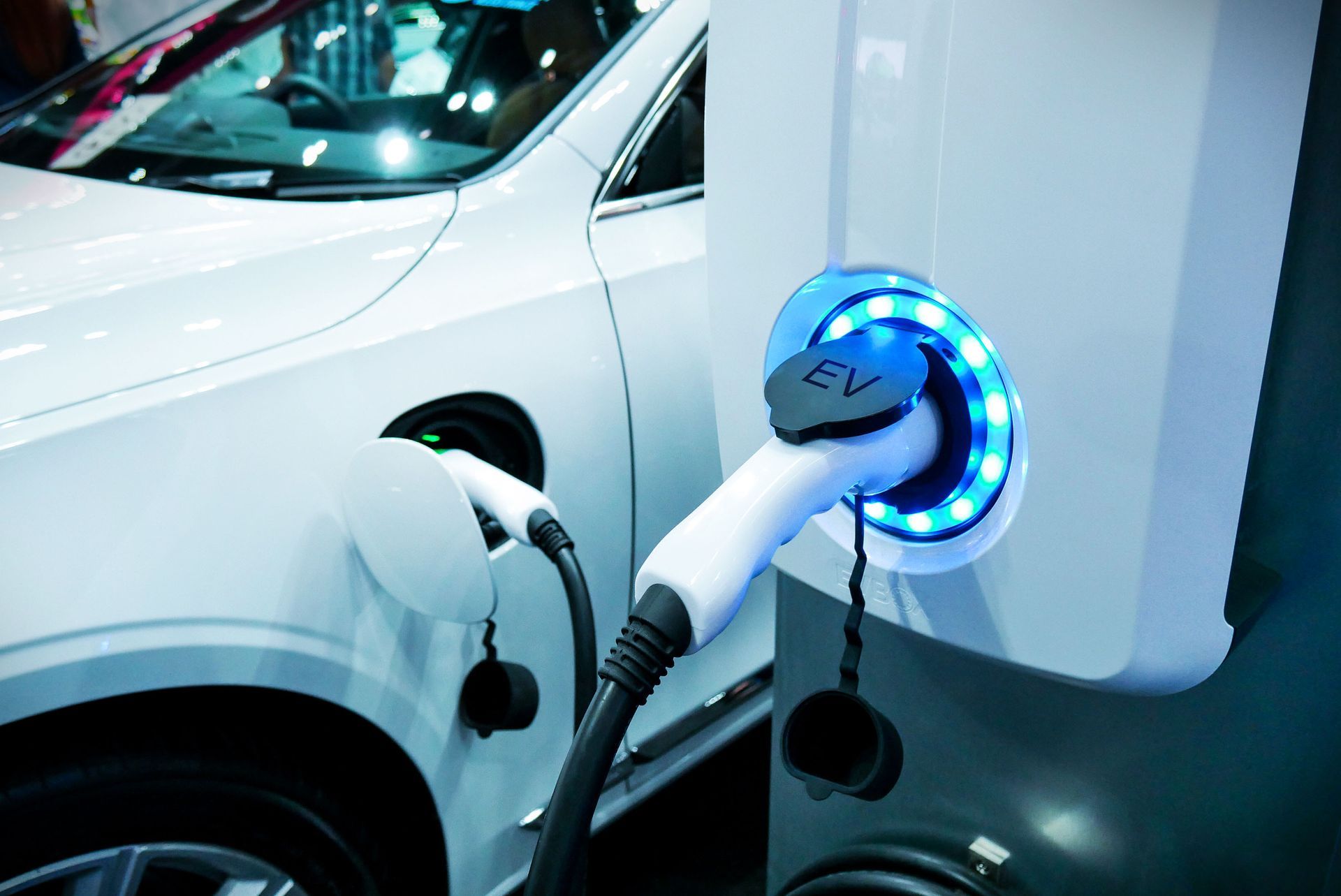
As electric vehicles (EVs) become common, more homeowners are discovering that relying solely on public charging stations isn’t practical for everyday driving. Installing a home EV charger gives you convenience, faster charging, and full control over your charging schedule. But EV charger installation isn’t a DIY project; it requires professional electrical work to ensure safety, performance, and compliance with local codes.
If you’re considering adding an EV charger to your home, understanding your options and knowing how to choose the right electrician can save you time, money, and frustration. This guide walks you through charger types, installation requirements, costs, safety factors, and what to expect when working with licensed electricians.
Why Home EV Charger Installation Makes Sense
Charging your EV at home is one of the biggest quality-of-life upgrades you can make as an EV owner. Instead of waiting in line at public stations or planning your schedule around charging availability, you can plug in overnight and start every morning with a full battery.
Home charging also reduces long-term costs. Public charging stations often charge premium rates, especially for fast charging. A home charger allows you to take advantage of off-peak electricity rates and avoid markup fees. Over time, this can significantly lower your total cost of ownership.
There’s also a property value angle. As EV ownership rises, homes with EV-ready infrastructure are becoming more attractive to buyers. Even if you plan to sell in a few years, installing an EV charger now can improve your home’s appeal and future resale value.
Understanding Your EV Charger Options
Not all EV chargers are the same. Choosing the right one depends on your driving habits, your vehicle, and your home’s electrical capacity.
Level 1 Chargers
Installing a home EV charger is one of the smartest upgrades an electric vehicle owner can make. It gives you faster, more convenient charging than public stations, lets you take advantage of off-peak energy rates, and ensures your vehicle is ready to go every morning. Most homeowners choose a Level 2 charger because it can fully recharge an EV overnight.
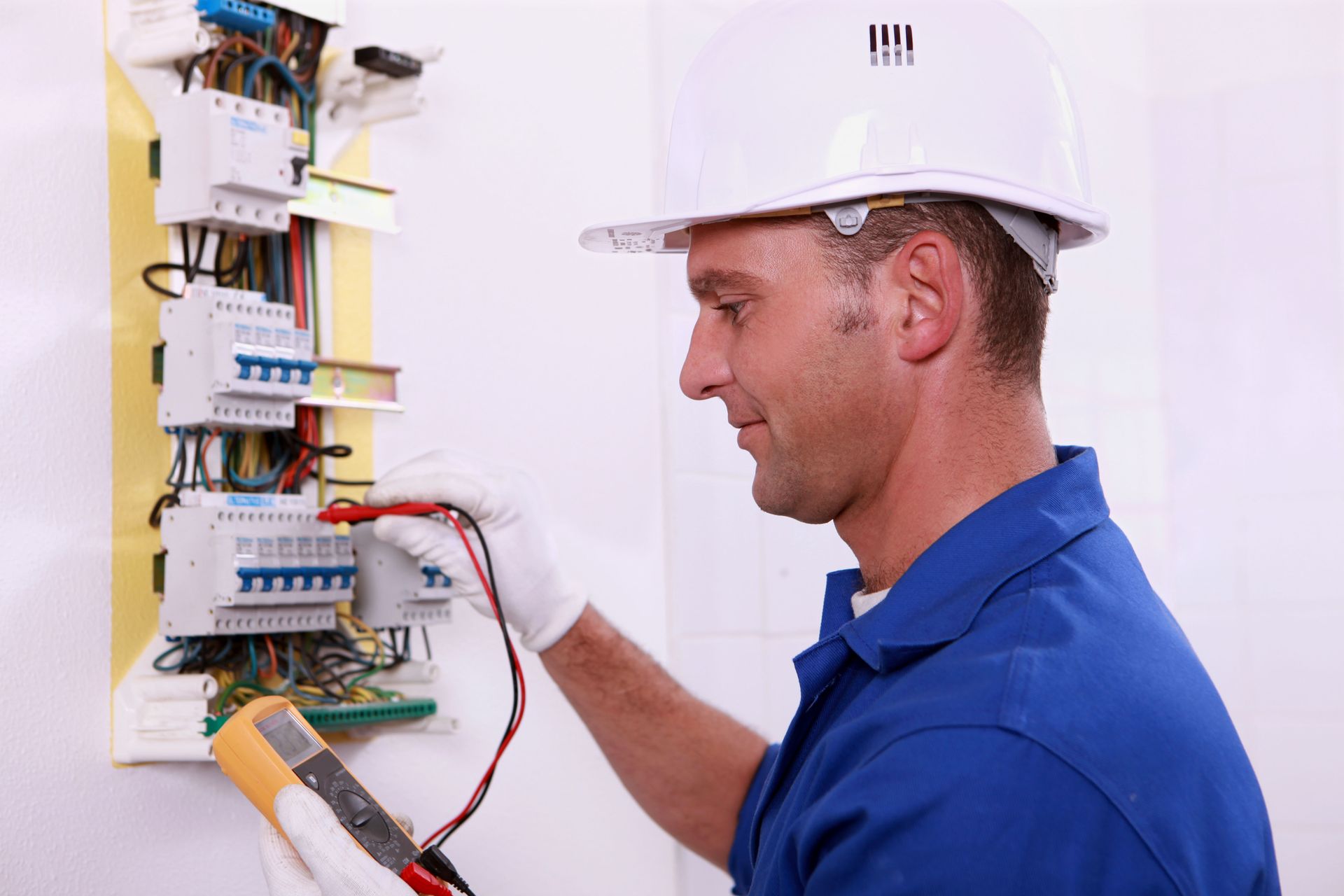
Installation requires a licensed electrician to assess your electrical panel, run a dedicated 240-volt circuit, and ensure everything meets local code and safety standards. Proper installation protects your home from electrical hazards, prevents equipment damage, and ensures your charger performs reliably for years to come.
Level 2 Chargers
Demand for home charging is rising fast. According to Electrician Marketers, with an estimated 150 million EV charging points expected globally by 2030, installing Level 2 home chargers presents a major, high-margin growth opportunity for residential electricians. Qualified installers are becoming more available, but also more in demand.
For homeowners, now is the right time to schedule a professional installation before wait times and pricing increase. If you’re ready to upgrade your home for EV charging, working with a licensed local electrician ensures your system is safe, code-compliant, and built to handle daily charging with confidence.
What’s Involved in Installing a Home EV Charger
Installing an EV charger involves more than mounting a unit on the wall. A licensed electrician evaluates your home’s electrical system, upgrades components if needed, and ensures the installation meets safety standards and local codes.
Electrical Panel Capacity
Many homes don’t have spare capacity in their electrical panel for a new 240-volt circuit. Your electrician may need to upgrade your panel or install a subpanel. This is common in older homes and ensures your charger can run safely without overloading your system.
Permits and Code Compliance
EV charger installations usually require permits and inspections. Professional electricians handle the permitting process and make sure the work meets local building and electrical codes. Skipping permits can cause issues with home insurance, inspections, and resale down the line.
Charger Placement and Wiring
The location of your EV charger is an important consideration for both convenience and safety. Installers take into account the distance from your electrical panel, whether the charger will be mounted in a garage or outdoors, the level of weather protection needed for outdoor units, and cord length and accessibility for daily use. Planning the placement carefully can help reduce installation costs, make charging more convenient, and ensure your system functions efficiently over the long term.
How Much Does EV Charger Installation Cost?
Costs for EV charger installation vary depending on your home’s electrical setup and the complexity of the job. While exact pricing depends on your region and system requirements, most homeowners can expect to pay for the EV charger unit, electrical materials such as wiring, breakers, and conduit, labor, permits and inspections, and any necessary panel upgrades.
Homes with modern panels and short wiring runs typically cost less. Older homes that require panel upgrades or long conduit runs will cost more. Licensed electricians can provide an on-site assessment and an accurate quote.
Some utility companies and local governments offer rebates or incentives for EV charger installations. Your electrician may be able to help you identify applicable programs and documentation requirements.
Why You Should Hire a Licensed Electrician
EV chargers draw high electrical loads for extended periods, and improper installation can increase the risk of electrical fires, equipment damage, and voided warranties. Hiring a licensed electrician protects your home, your vehicle, and your investment. A professional installer ensures proper circuit sizing, safe grounding and load balancing, code compliance, manufacturer warranty protection, and long-term system reliability. While DIY installation may seem cheaper upfront, mistakes can be costly and potentially dangerous, making professional installation the safer, smarter choice.
What to Look for When Choosing an EV Charger Electrician
Not all electricians have experience with EV charger installations, so it's important to choose a professional who is licensed and experienced with this type of work. Ask how many EV chargers they’ve installed and what brands they regularly work with, since EV chargers have unique power demands and installation requirements that differ from standard electrical projects. Verifying proper licensing and hands-on experience with EV chargers ensures the installation is done safely, correctly, and in compliance with local codes. Your charging setup will be reliable from day one.
Preparing Your Home for Installation
Before your electrician arrives, take a few simple steps to prepare your home for EV charger installation. Clear space in your garage or driveway to give the installer easy access to the work area, decide where you want the charger mounted for convenient daily use, gather basic vehicle information such as make, model, and charger compatibility, and review your daily driving habits so the setup matches your charging needs. This preparation helps the installation go smoothly and ensures your home charging setup fits your lifestyle from day one.
Ongoing Maintenance and Long-Term Use
Home EV chargers are low-maintenance, but periodic inspections help ensure continued safety and performance. Your electrician can check connections, breakers, and wiring to confirm everything remains in good working order. If you plan to add a second EV in the future, mention this during installation. Your electrician can design the system with future expansion in mind, potentially saving you money later.
If you’re ready to install a home EV charger, working with licensed electricians ensures your system is safe, code-compliant, and built to last. A professional assessment can help you choose the right charger, understand your home’s electrical capacity, plan for future expansion, and avoid costly mistakes or delays. By relying on an experienced installer, you can enjoy faster, more convenient charging, reduce long-term energy costs, and have confidence that your setup will perform reliably for years to come.
Contact Dial One Electrical Services today to schedule a home EV charger consultation and installation. Get fast, reliable charging at home, and the peace of mind that comes with professional electrical work.