April 24, 2026
Improving energy efficiency at home isn't just about lowering utility bills: It also helps reduce strain on your electrical system and supports a more sustainable way of living. Many homeowners notice higher energy costs without fully understanding where that energy is being used or wasted. A residential electrician can help identify those issues and offer practical solutions that make your home run more efficiently. This is especially important as energy demands continue to increase in modern households.
Energy efficiency improvements often start with understanding how your electrical system is performing as a whole. From lighting and appliances to wiring and circuit loads, even small inefficiencies can add up over time. With the right professional guidance, you can make informed changes that improve performance while maintaining comfort and convenience in your home. Taking a structured approach helps ensure that no part of the system is overlooked.
1. Assessing Electrical Systems for Efficiency
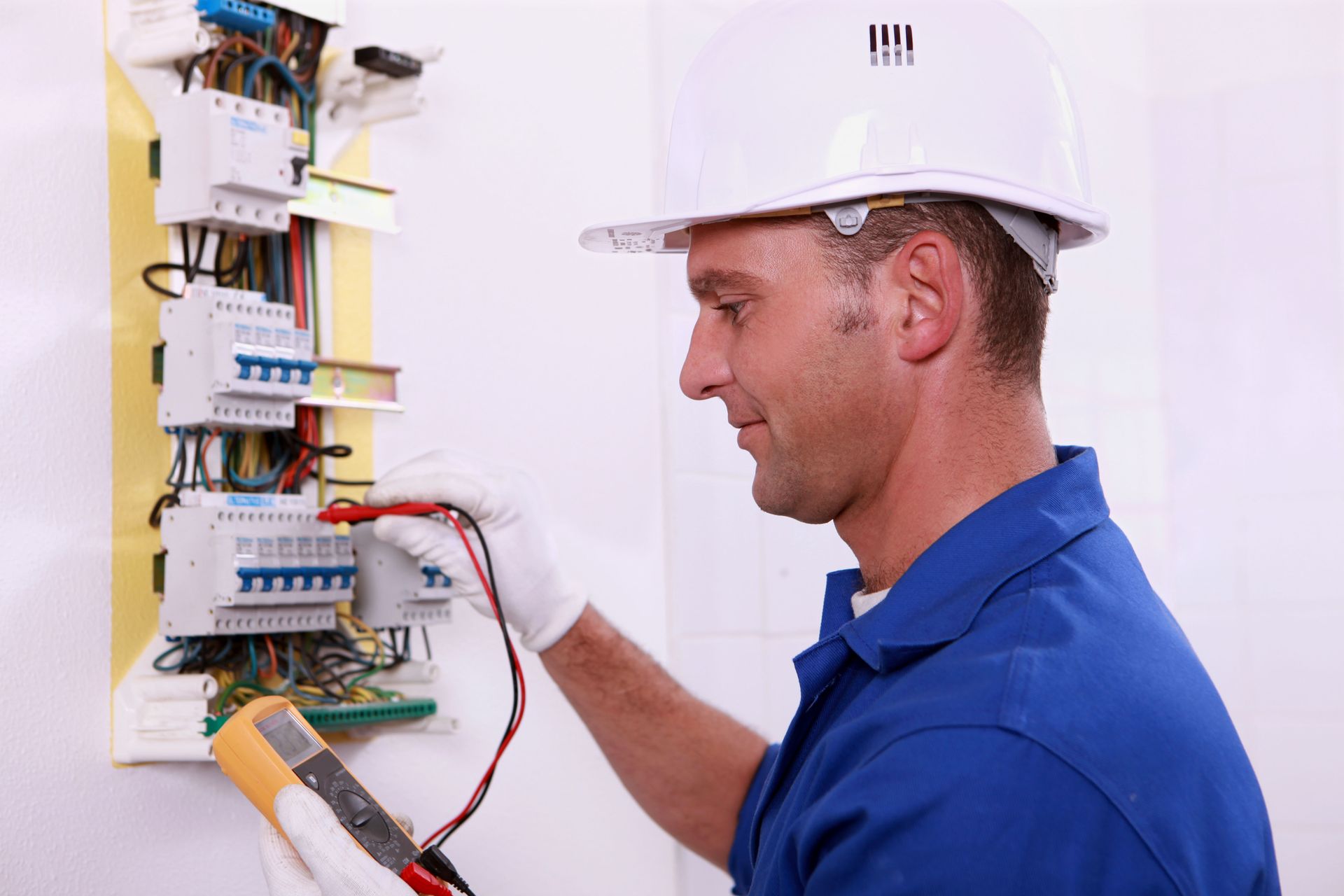
An electrical contractor typically begins by evaluating your home’s overall electrical system. This includes inspecting wiring, outlets, panels, and circuit distribution to determine whether your system is operating efficiently or working harder than it should. Older or overloaded systems often waste energy through heat loss and inconsistent power delivery. By identifying these issues early, you can avoid unnecessary energy consumption and improve long-term performance.
During an assessment, an electrician can also identify hidden inefficiencies that are not immediately visible to homeowners. Loose connections, outdated panels, and improperly balanced circuits can all contribute to wasted electricity. When these issues are corrected, your home often experiences more stable energy usage, which can translate into lower monthly costs and improved reliability across devices and appliances.
Another important part of this evaluation is how your household uses electricity on a daily basis. Many homes are not optimized for their actual usage patterns, especially if appliances or systems were added over time without updating the electrical layout. A professional assessment helps align your system with your current needs, ensuring that energy is distributed in a more efficient and controlled way.
A final part of the assessment involves identifying outdated components that may no longer meet modern efficiency standards. Replacing or upgrading these elements can improve how smoothly electricity flows through the home. This step also helps ensure the system is better prepared to handle newer, more energy-demanding technologies.
2. Upgrading Lighting Systems for Lower Consumption
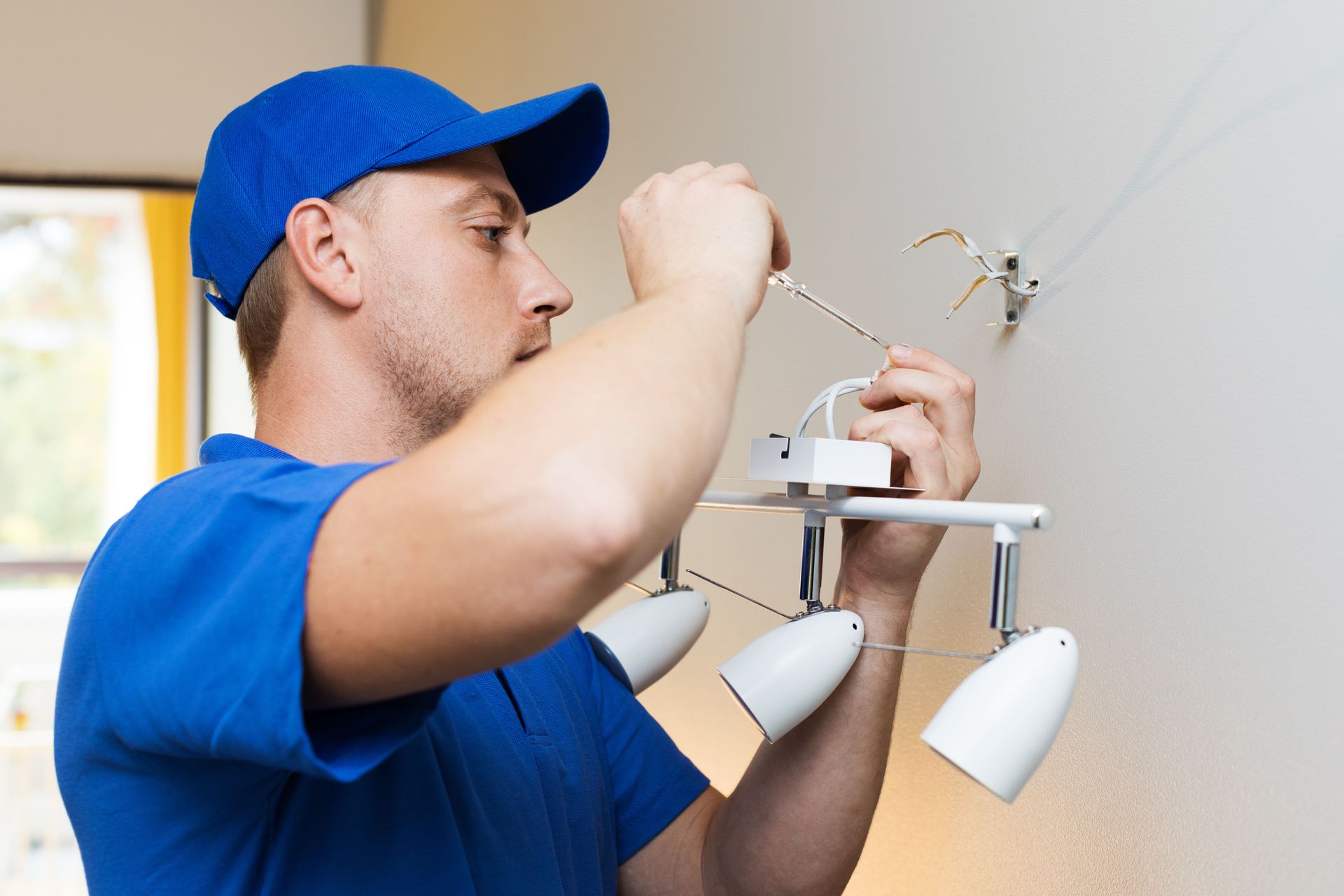
Lighting is one of the most common areas where homeowners can achieve immediate energy savings. A residential electrician can replace outdated bulbs and fixtures with modern, energy-efficient alternatives such as LED lighting systems. These upgrades use significantly less electricity while providing better illumination and longer lifespan, which reduces both energy consumption and replacement costs over time.
Lighting design also plays an important role in efficiency. An electrical contractor can help reposition fixtures, install dimmers, and add motion sensors to reduce unnecessary usage in rooms that are not always occupied. These small adjustments can have a meaningful impact on overall consumption, especially in larger homes where lighting is frequently left on for extended periods.
According to the U.S. Department of Energy, the typical household uses about 15% of its electricity on lighting. This means even modest improvements in lighting efficiency can lead to noticeable reductions in energy usage. By upgrading to more efficient systems and optimizing how lighting is controlled, homeowners can reduce waste without sacrificing visibility or comfort.
In addition to fixture upgrades, electricians can also evaluate how natural light is being used in the home. Strategic adjustments to lighting placement can reduce reliance on artificial lighting during daytime hours. When combined with efficient technology, this approach creates a balanced lighting system that supports both energy savings and everyday convenience.
3. Optimizing Appliances and Circuit Loads
Many homes experience energy inefficiency because appliances are not properly supported by the electrical system. A residential electrician can evaluate how major appliances such as refrigerators, washers, dryers, and HVAC systems are drawing power. When these appliances are not operating on optimized circuits, they may consume more electricity than necessary or place strain on the system.
One common issue is circuit overload, which occurs when too many devices draw power from the same source. This can lead to energy loss and reduced efficiency over time. By redistributing electrical loads across properly designed circuits, an electrical contractor can help ensure that each appliance operates under optimal conditions. This not only improves efficiency but also helps extend the lifespan of your devices.
Electrical contractors can also recommend upgrades to more energy-efficient appliances or suggest modifications that improve performance without requiring full replacements. For example, installing dedicated circuits for high-energy appliances can reduce interference and improve power delivery. These changes help ensure that energy is used more effectively throughout the home. In many cases, they also support better overall system stability.
In some cases, optimizing appliance efficiency also involves identifying standby power usage. Many devices continue drawing electricity even when not in active use. By addressing these hidden energy drains, a residential electrician can help reduce unnecessary consumption and create a more efficient overall system. This helps eliminate waste that often goes unnoticed by homeowners.
4. Improving Safety and Smart Energy Controls
Energy efficiency is closely connected to electrical safety, and electrical contractors play a key role in ensuring both. Faulty wiring, outdated components, and overloaded systems can all lead to energy waste as well as potential safety risks. By updating these systems, homeowners can achieve a more efficient and secure electrical setup that supports long-term reliability.
Smart energy controls are another effective way to improve efficiency. Electricians can install programmable thermostats, smart switches, and automated systems that allow homeowners to manage energy use more precisely. These tools make it easier to control when and how electricity is used, reducing unnecessary consumption during inactive hours or when no one is home.
Surge protection and modern panel upgrades can improve how electricity flows through the home. When your electrical system is properly regulated, devices operate more efficiently and experience fewer disruptions. This stability reduces energy waste and helps maintain consistent performance across all connected systems.
An electrician can also educate homeowners on how to use these systems effectively. Understanding how to monitor energy usage and adjust settings allows you to take a more active role in managing consumption. Over time, these small behavioral and technological changes can lead to significant improvements in overall efficiency.
Improving energy efficiency at home is a gradual process that often starts with professional insight. A residential electrician can help identify where energy is being lost and recommend targeted solutions that improve performance across your entire electrical system. From lighting upgrades to appliance optimization, these changes create a more balanced and efficient home environment. They also help ensure that improvements are implemented safely and correctly.
By taking a proactive approach to electrical efficiency, you can reduce energy waste, lower utility costs, and improve the overall safety and functionality of your home. Working with a qualified electrical contractor ensures that improvements are both effective and tailored to your specific needs. Over time, these upgrades contribute to a more reliable and energy-conscious household. They also support long-term sustainability in everyday living.
If you're ready to boost your household's energy efficiency, contact Dial One Electrical Services. We'll send an experienced electrician to assess your system and recommend solutions that help reduce energy use and improve performance.