March 30, 2026
Older homes have a unique charm, from intricate woodwork to classic architectural details, but beneath the surface, they can face hidden challenges. One of the most critical, yet often overlooked, is the electrical system. As technology evolves and households demand more power, older electrical panels can struggle to keep up. An electrical panel upgrade is often necessary to maintain safety, efficiency, and functionality. In addition to meeting modern energy demands, upgraded panels help prevent costly repairs and interruptions to everyday life.
Identifying Outdated Electrical Systems
Homes built decades ago were designed for far less electrical load than modern households require. Devices that are now common—smart TVs, computers, charging stations, and kitchen appliances—were not considered in the original wiring layout. Outdated panels may use fuses instead of circuit breakers or have a lower amperage rating, often 60 or 100 amps, which is insufficient for today’s energy consumption.
Signs that an older home may need an electrical panel upgrade include frequently tripped breakers, flickering lights, buzzing outlets, or outlets that feel warm to the touch. While these issues might appear minor, they are indicators that the system cannot safely handle current demands. In some cases, an older panel may be incompatible with modern circuit breakers, limiting your options for expansion. Engaging a licensed professional to evaluate your panel can provide a detailed assessment and outline necessary improvements.
Addressing Increased Energy Demands
Modern households operate multiple high-power devices simultaneously. Kitchens, home offices, and entertainment centers all contribute to a significant electrical load. Without an upgraded panel, circuits can become overloaded, creating a fire hazard, reducing overall efficiency, and causing intermittent power loss to sensitive electronics.
An electrical panel upgrade expands the system’s capacity, allowing for the safe operation of multiple devices at once. Professionals can assess the household load requirements and recommend panels that meet present and future energy demands. According to Researchnester.com, the solutions segment is anticipated to dominate over 43% of the electrical services market share. This reflects a growing demand for improved electrical infrastructure in homes and commercial spaces alike. Upgrading the panel now can prevent future disruptions and allow for gradual home improvements without compromising safety.
Replacing Worn or Hazardous Components
Older panels may contain deteriorating wiring, corroded connections, or obsolete breaker types. Aluminum wiring, common in mid-20th-century construction, can oxidize and pose fire risks. Breakers may fail to trip correctly, leaving circuits exposed to dangerous conditions. Some older panels may also have knockouts or openings that no longer meet current safety standards, leaving gaps where dust or moisture can create hazards.
Upgrading the panel involves replacing outdated components with modern alternatives that comply with current electrical codes. A licensed technician can evaluate the entire system, remove hazardous parts, and install a new panel that supports safer and more reliable operation. In addition to safety, this replacement often improves power distribution throughout the home, reducing stress on individual circuits and helping prevent premature appliance failure.
Accommodating Modern Home Renovations
Homeowners often remodel kitchens, add rooms, or create home offices, all of which require additional circuits and higher power availability. An older panel may lack the capacity to support these upgrades. Trying to extend circuits from an outdated panel can overload the system and compromise safety.
An electrical panel upgrade allows for proper integration of new circuits while maintaining code compliance. Professionals will determine the best layout for new circuits, ensuring that renovations do not compromise overall electrical performance. They also account for specialized appliances, such as induction cooktops or high-powered washers and dryers, which require dedicated circuits. Investing in a modern panel during renovations prevents future problems and supports evolving household needs, ultimately protecting your property value.
Improving Safety and Compliance
Electrical codes have advanced significantly since many older homes were built. Panels installed decades ago may not meet current safety standards, leaving homes vulnerable to hazards such as electrical fires, arc faults, and shock risks. Many older homes also lack ground-fault circuit interrupters or arc-fault circuit interrupters, devices now required in critical areas to prevent accidents.
Upgrading the panel aligns your home with current electrical codes and safety regulations. Licensed professionals can assess compliance, recommend necessary improvements, and install a panel that meets or exceeds local code requirements. Beyond safety, this also contributes to smooth home inspections, insurance requirements, and resale value. A panel upgrade is a proactive step that protects both your household and your investment.
Enhancing Energy Efficiency
Older panels can struggle with energy distribution, causing inefficiencies that impact electricity bills. Breakers may trip more often than necessary, and circuits may not deliver power optimally to all areas of the home. Unbalanced loads can also increase energy waste and create unnecessary heat, reducing the lifespan of electrical components.
A new electrical panel upgrade improves energy efficiency by providing a stable, reliable flow of electricity. Modern panels are designed to handle higher loads efficiently, reducing unnecessary energy loss. Professional installation ensures the panel integrates seamlessly with your home’s existing wiring, maximizing performance and safety. Additionally, some newer panels offer features that simplify future upgrades or integration with energy monitoring systems, further optimizing energy use.
Planning for Future Technology
Smart home devices, electric vehicles, and renewable energy systems are becoming standard in many households. These innovations often require higher amperage and specialized circuits that older panels cannot provide. Homeowners investing in home automation or energy storage solutions may find their older panels severely limiting.
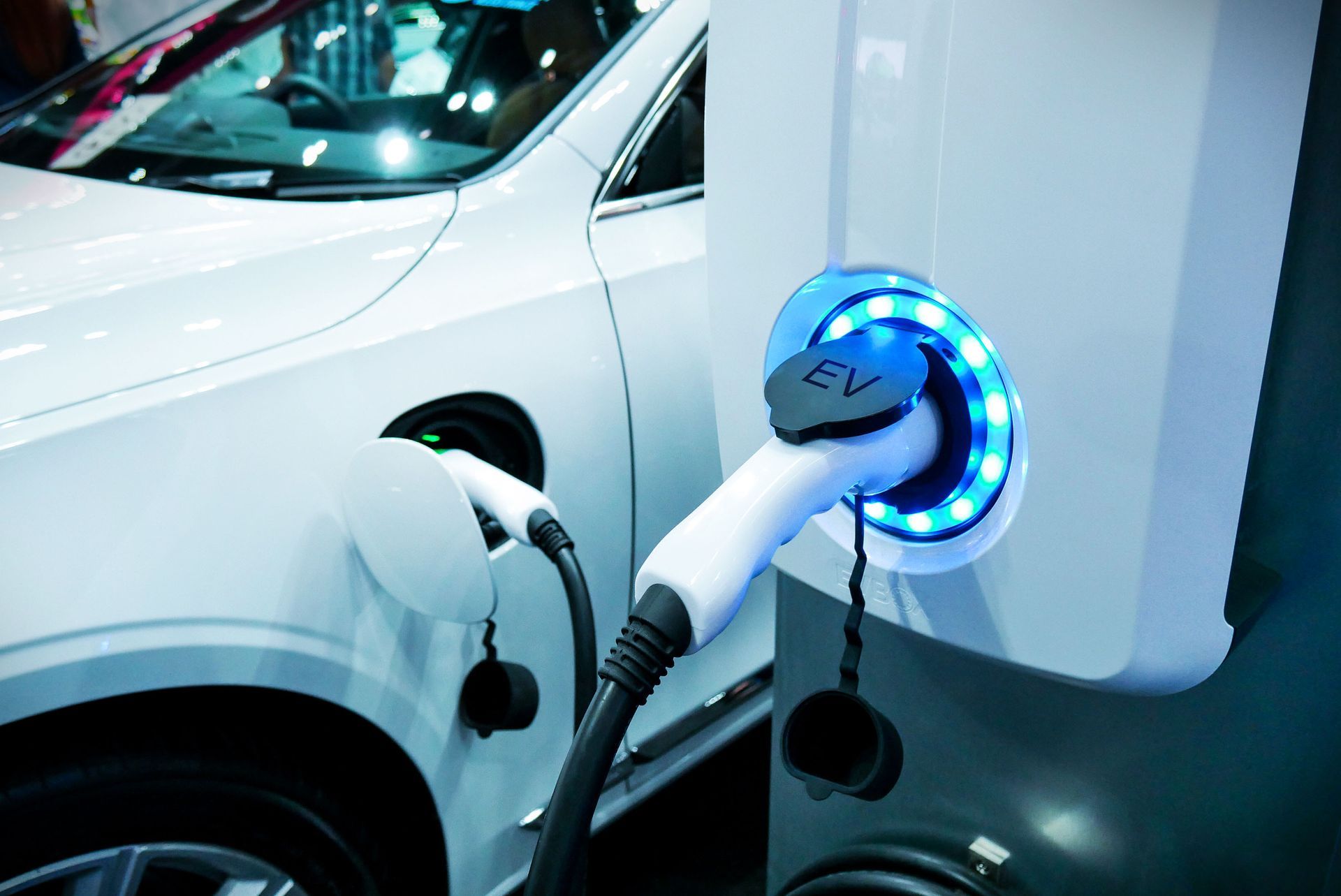
An electrical panel upgrade prepares your home for future technology integration. Professionals can recommend panels that accommodate electric vehicle chargers, solar energy systems, or other high-demand devices, protecting your investment and avoiding costly retrofits later. Forward-thinking upgrades ensure that your electrical system remains adaptable for years to come, making the home ready for technology developments as they emerge.
Selecting the Right Panel and Capacity
Choosing the correct panel and amperage is crucial to long-term performance. Installing an undersized panel can lead to repeated overloads, while an oversized panel without proper planning can be unnecessarily expensive. Professionals evaluate all aspects of the household’s electrical usage, including seasonal variations, entertainment systems, HVAC equipment, and specialized tools or appliances.
Professional electricians assess the home’s current and anticipated energy needs, taking into account appliances, HVAC systems, and potential renovations. This evaluation guides the selection of a panel with adequate capacity, supporting a balanced and safe electrical distribution system. They can also recommend future-proof options, such as panels with spare spaces for additional breakers, making expansion easier as needs grow.
Scheduling Professional Installation
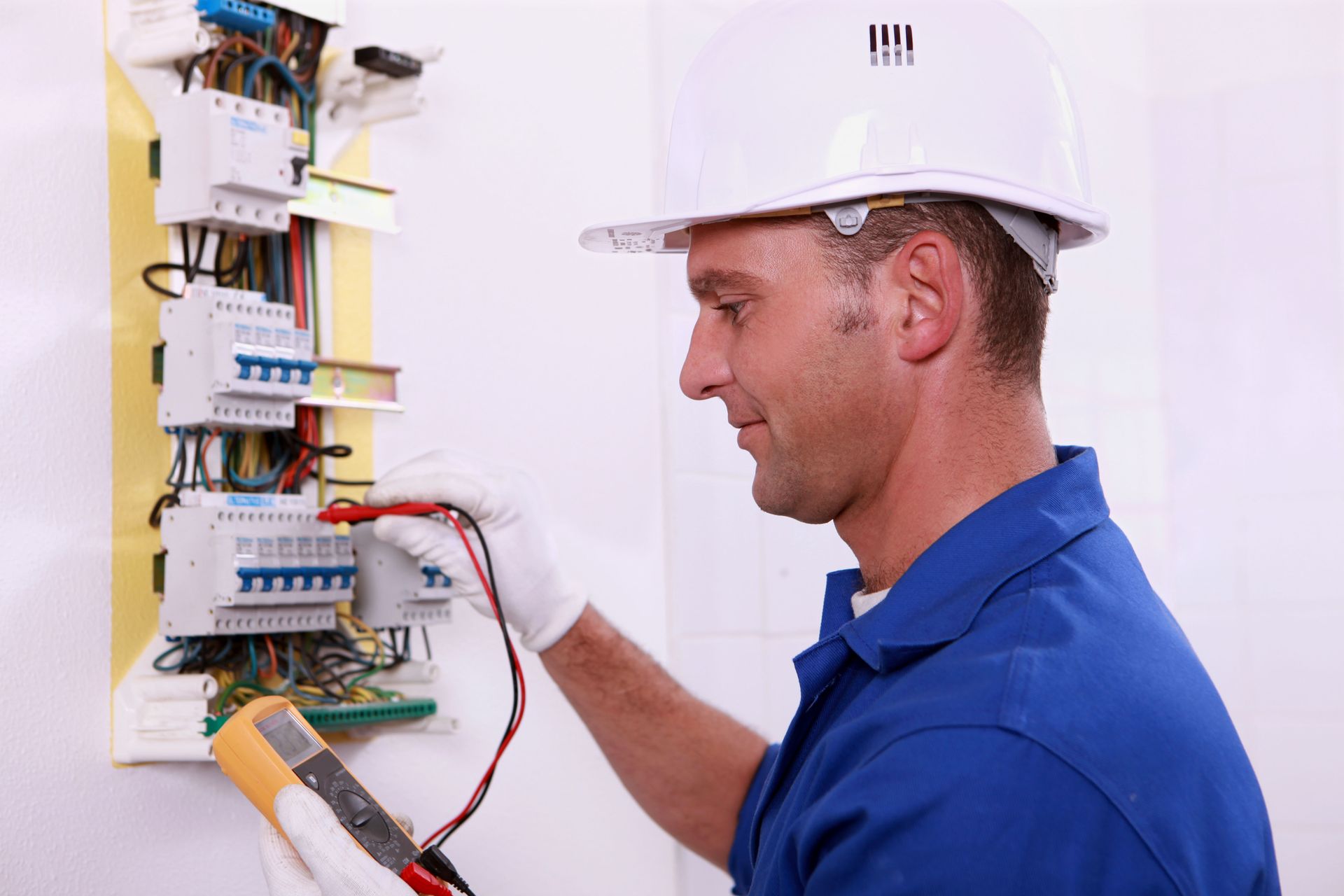
Electrical panel upgrades require precise handling, adherence to code, and technical knowledge. Licensed electricians manage the project from assessment to installation, including coordinating with local inspectors if necessary. They handle wiring, breaker installation, grounding, and load testing to confirm the system functions correctly and safely.
Seeking professional help is critical to prevent hazards, protect property, and maintain operational reliability. A professional electrical upgrade provides long-term peace of mind, rather than a temporary fix that may leave the system vulnerable. Additionally, proper installation often includes documentation of compliance, which is valuable for insurance purposes and future home sales.
Older homes often require an electrical panel upgrade to address safety concerns, meet increased energy demands, and accommodate modern technology. From replacing outdated components to improving efficiency and compliance, an upgraded panel enhances the home’s electrical performance and reliability.
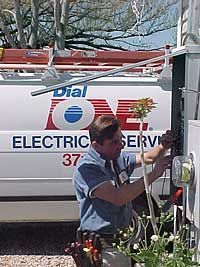
Engaging a licensed professional guarantees the work meets all safety standards and supports the home’s long-term needs. For reliable service and a seamless electrical panel upgrade, contact Dial One Electrical Services to schedule a detailed evaluation and upgrade plan tailored to your home’s requirements!